The Story in Brief
“Growing frustration with OneTrust is being met with increased experimentation, especially around AI-enabled DPIA drafting and comparison. Compared to a similar conversation a year ago, AI usage has meaningfully progressed from curiosity to practical application. Members are actively using custom GPTs to reduce workload and standardize outputs, even as overall DPIA volume continues to rise.”
Picking Up the Story
Managing Rising Demand With Limited Resources
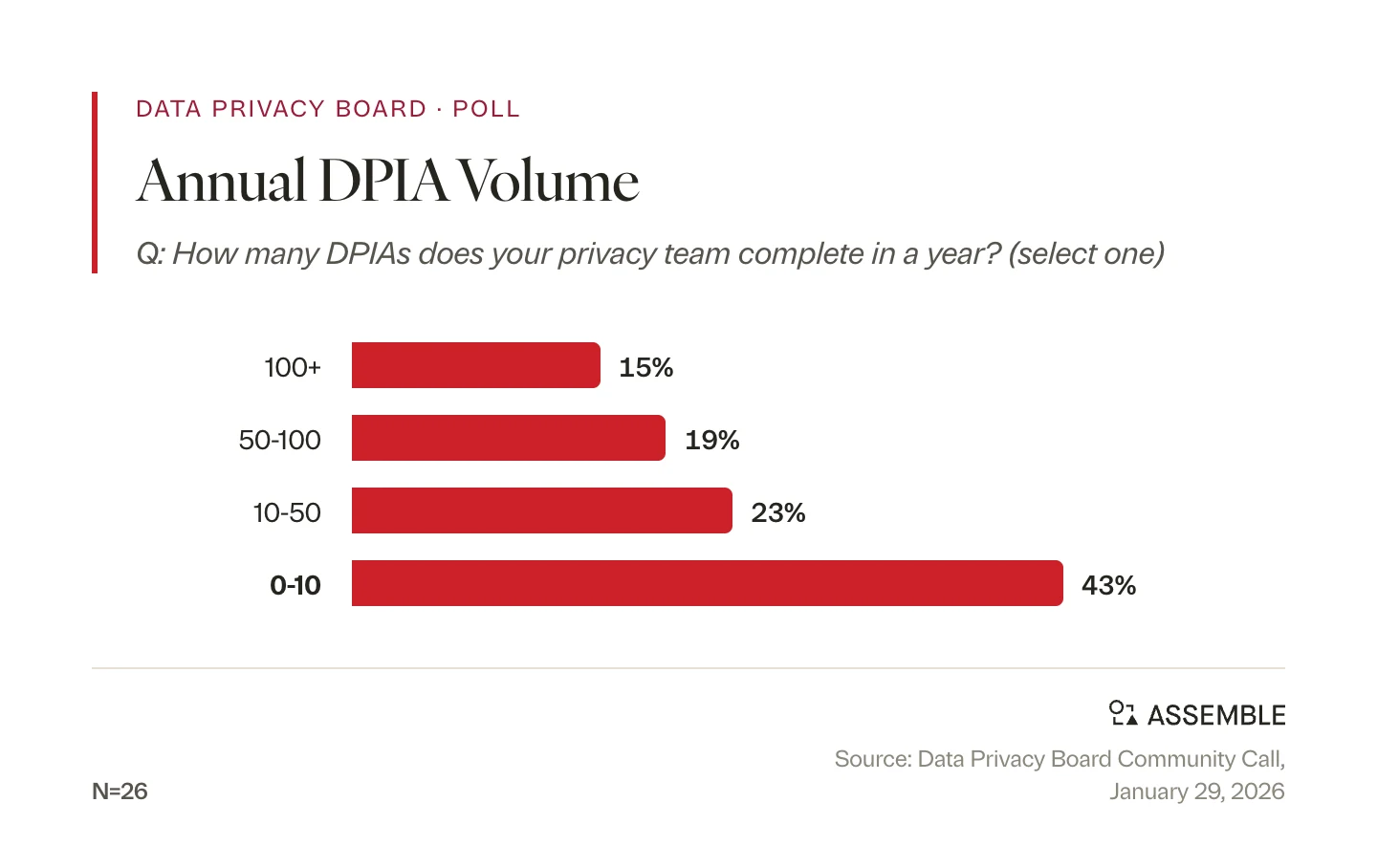
Data protection impact assessments (DPIAs) remain a core operational responsibility for privacy teams, and the pressure is rising.
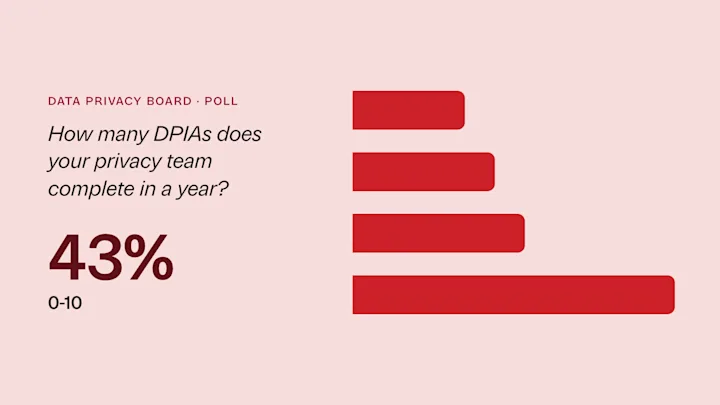
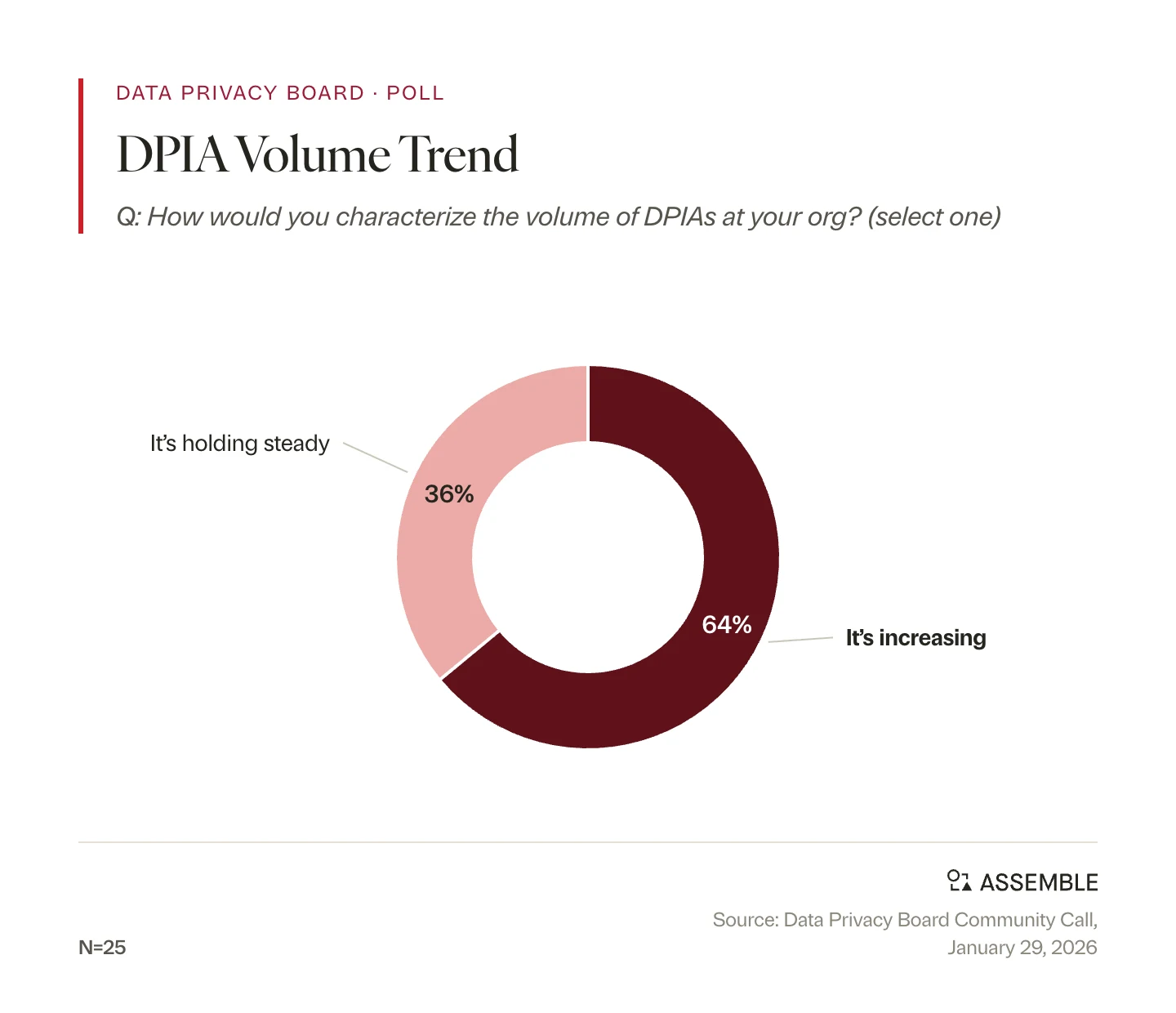
64% of members said DPIA volume is increasing, putting a squeeze on already lean teams. The remainder of organizations reported steady demand.
“The OneTrust template was too simplistic for our business needs, so we essentially created our own template.”
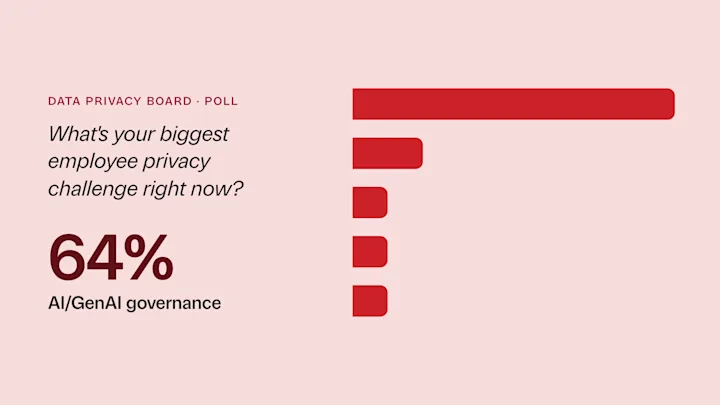
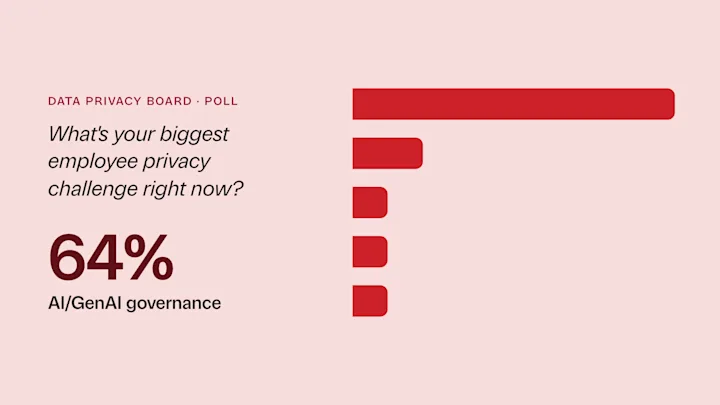
Poll results
Focus of the Discussion
AI is Entering Privacy Team DPIA Workflows
Privacy teams are increasingly required to manage assessments within compressed timelines, while balancing other program responsibilities.
This pressure has pushed many organizations toward risk-based prioritization. Instead of processing requests in order of intake, teams evaluate the inherent risk of each initiative to determine which assessments require immediate attention. Establishing these frameworks can require significant upfront work. Even with structured models in place, prioritization can still be influenced by internal pressure. As one participant noted, “The human factor is the noisiest factor.”
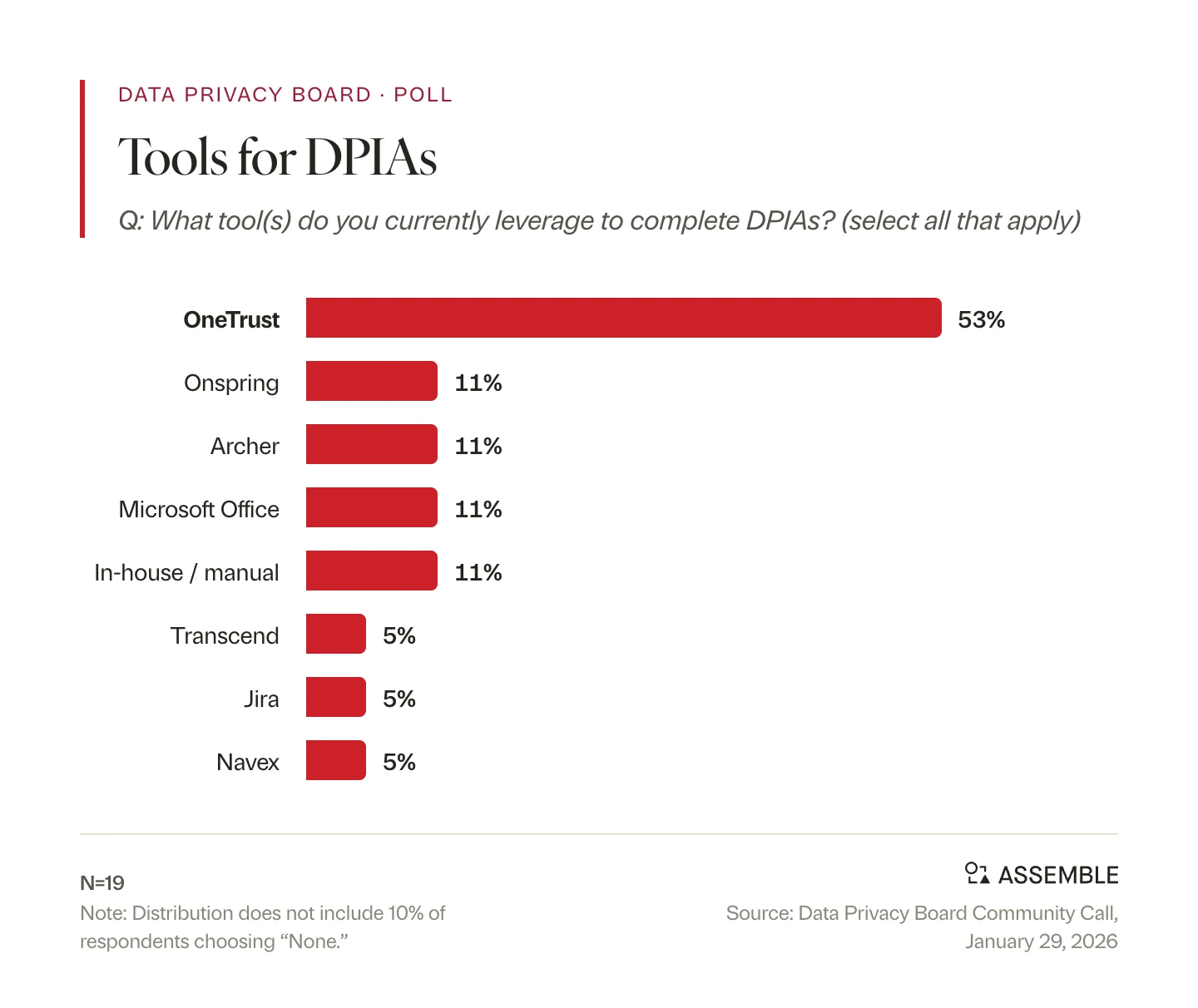
Although a majority of members reported using OneTrust for DPIAs, many criticized the tool’s structure and reporting capabilities. AI is beginning to influence how DPIAs are completed, offering some operational relief.
Key Takeaways
Privacy teams described feeling increasingly stretched by limited capacity and tighter timelines. In response, teams are making more deliberate tradeoffs about where to go deep, what to sequence later, and which assessments warrant more streamlined treatment.
Many leaders agreed on the value of risk-based prioritization, though their ability to execute it consistently varies widely. Some members described mature models anchored in data inventories, inherent risk scoring, and business unit segmentation to determine which activities escalate into DPIAs. Others are still building workable frameworks.
Business fatigue emerged as a meaningful influence on how DPIAs show up in day-to-day practice. Several members described pushback from business teams who are worn down by repeated assessments and overlapping requests. This has led privacy teams to spend more time balancing rigor with relationship management, sometimes pacing engagement more carefully to avoid burning goodwill.
OneTrust remains a commonly used DPIA platform, but dissatisfaction is driving active experimentation and planned exits. Pain points included siloed modules, weak reporting, support challenges, and bundled pricing that forces unnecessary spend. Some teams are actively planning RFPs, heavily modifying templates, or abandoning built-in workflows altogether.
Members reported more advanced use of AI in day-to-day DPIA work. Examples included custom GPTs to draft initial assessments, compare regional templates, prepopulate responses, and standardize recommendations. These tools were framed as starting points that reduce manual effort, not substitutes for human judgment or accountability.
About the Data Privacy Board and Assemble
The Data Privacy Board is an Assemble community that helps senior privacy, compliance, governance, and data protection leaders at the world's largest organizations make better, faster decisions through trusted peer insights.
We selectively share highlights from confidential member conversations to help leaders understand how peers are navigating complex challenges and fast-moving, high-stakes moments.
If you'd like to learn more about the conversations happening inside our peer network, or how members connect with trusted peers to solve critical challenges, please contact us.